Last updated: 13 July 2026
TL;DR: A chaplain is a trained spiritual caregiver who supports people’s emotional, psychological, and spiritual wellbeing during crisis, illness, grief, or trauma — in hospitals, schools, police services, correctional facilities, and communities — regardless of a person’s faith or background. Unlike a pastor, a chaplain doesn’t lead a congregation. Unlike a counsellor, a chaplain isn’t only trained in psychological technique. Chaplains sit between the two: a calm, trustworthy, trained presence in someone’s hardest moment. In South Africa, where unemployment sits at 32.7% and gender-based violence remains a national crisis, trained chaplains fill a critical gap in frontline emotional and spiritual support. Medical and Community Chaplaincy (MCC) trains and deploys chaplains across Gauteng and beyond.
If you’ve heard the word “chaplain” and pictured someone in a hospital corridor or an army uniform, you’re not wrong — but you’re only seeing part of the picture. Chaplaincy is one of the most misunderstood forms of care that exists, and yet it’s also one of the most needed in South Africa today.
What does a chaplain actually do?
A chaplain is someone trained to walk with people through their hardest moments — illness, grief, trauma, crisis, addiction, or loss — offering emotional, psychological, and spiritual support, regardless of the person’s religion or background.
Chaplaincy is not about converting people. It’s about meeting people exactly where they are, honouring their beliefs, and offering hope and dignity in moments that matter most. This is reflected in how healthcare researchers describe the field: the biopsychosocial-spiritual model of health takes a holistic approach rather than a purely medical one, recognising that pain and illness are often tied to spiritual concerns as much as physical ones (National Center for Biotechnology Information, “Spirituality as an Essential Element of Person-Centered Care”).
How is a chaplain different from a pastor or a counsellor?
- A pastor typically leads a congregation and ministers within a specific faith community.
- A counsellor is trained in psychological technique, usually within a clinical or therapeutic setting.
- A chaplain sits between the two — trained to pray with a dying patient, sit in silence with a grieving mother, de-escalate a crisis in a holding cell, or simply be a steady presence when everything else feels out of control, regardless of the person’s religion.
Chaplain Shamim Nong, co-founder of MCC, puts it this way: “A chaplain isn’t there to preach. We’re there to sit in the mess with someone — in a hospital ward, a police cell, a home after a tragedy — and to offer real presence, not answers. That’s what people remember.”
Where do chaplains serve in South Africa?
Chaplains are needed almost anywhere people experience stress, crisis, or vulnerability:
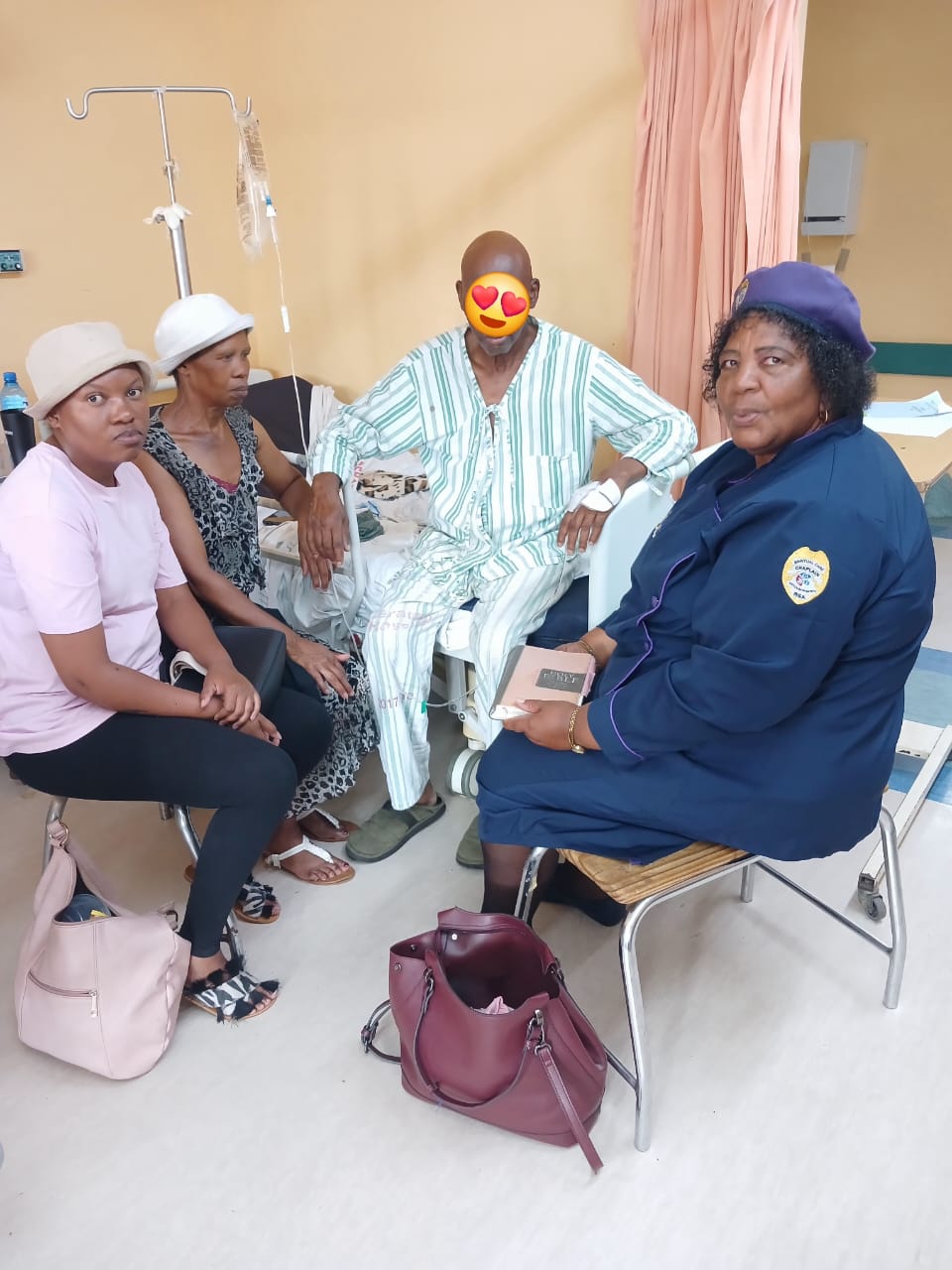
- Hospitals and clinics — supporting patients and families through diagnosis, surgery, chronic illness, or death, and supporting overworked medical staff too.
- Schools — walking alongside learners and teachers dealing with grief, bullying, family breakdown, or trauma.
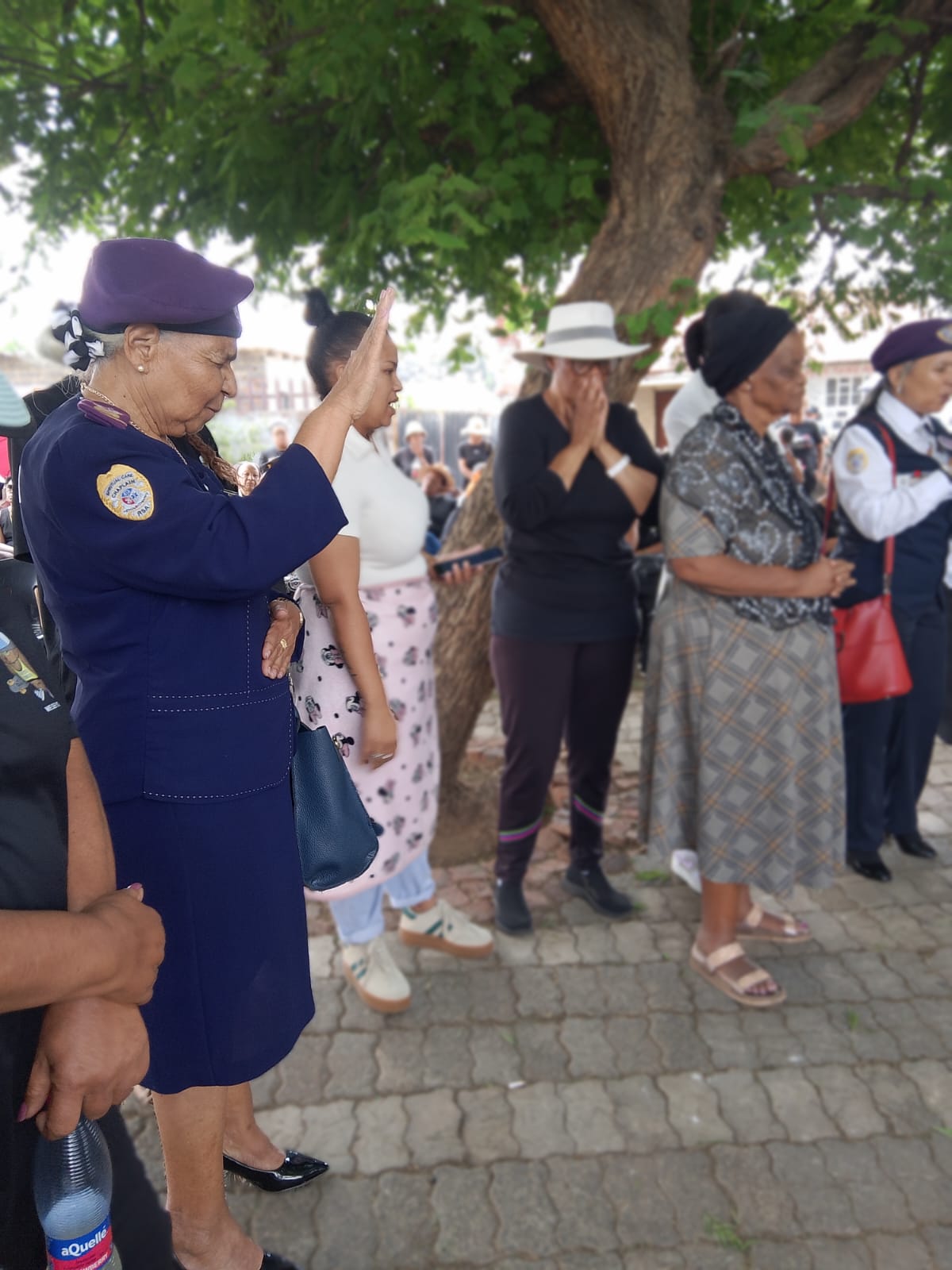
- Police services (SAPS) and correctional services — offering crisis support to officers, inmates, and victims, often in the immediate aftermath of traumatic incidents.
- Communities — responding to poverty, gender-based violence, substance abuse, and unemployment at a grassroots level, often as the first point of contact before formal services arrive.
- Workplaces and institutions — providing wellness and pastoral support where no formal spiritual care system exists.
Why does chaplaincy matter more than ever in South Africa?
South Africa’s need for trained frontline spiritual and emotional care is measurable, not just anecdotal:
- Official unemployment reached 32.7% in Q1 2026, with youth unemployment at 45.8% (Statistics South Africa, Quarterly Labour Force Survey).
- Between July and September 2024, 957 women were murdered and 10,191 rapes were reported to SAPS in a single quarter (SAPS crime statistics, cited via IOL).
- An estimated 7.3 million South African women have experienced physical violence in their lifetime (Human Sciences Research Council national study).
Behind every one of these numbers is a person who will, at some point, sit in a hospital ward, a police station, or a community hall needing more than a form to fill in. Chaplains are trained to be present in exactly those moments — offering care that addresses the whole person, not just the immediate physical or administrative need in front of them.
What does it take to become a chaplain?
Contrary to what many people assume, chaplaincy isn’t reserved only for ordained ministers. At MCC, candidates need either a formal qualification in theology, ministry, healthcare, social work, or education, or at least two years of active experience in ministry, community service, or a people-centred field. Formal chaplaincy experience isn’t required — but some background in service to others is.
MCC’s 5-day training programme covers the foundations of chaplaincy, crisis intervention, South Africa’s legal and ethical framework, multicultural and interfaith spiritual care, and compulsory field placement — because chaplaincy is a skill as much as it is a calling.
Frequently asked questions
Is chaplaincy only for Christians?
No. MCC trains chaplains within an interfaith framework and serves people of all faiths and none. Chaplains are trained to honour whatever a person believes, not to impose a belief system.
Do I need a theology degree to become a chaplain?
No. A relevant qualification helps, but two years of active service in ministry, healthcare, social work, or community work also qualifies you to apply.
Is chaplaincy a paid profession in South Africa?
Chaplaincy itself is not yet formally accredited in South Africa — there is currently no SAQA or SETA accreditation for chaplaincy as a qualification, and this includes MCC’s 5-day short course, which is a certificate of completion rather than an accredited qualification. For those who want to continue into a formally accredited, SAQA-recognised qualification, MCC partners with the Theo Institute of Health Studies, which offers accredited programmes that complement MCC training.
Get involved
Whether you’re exploring a call to chaplaincy, need spiritual care support for your institution, or want to understand more about our work, we’d love to hear from you.
📧 admin@medicalchaplaincy.co.za
📞 Chaplain Shamim Nong: 072 421 4824 | Chaplain Edwin Masupha: 073 703 8516
🌐 www.medicalchaplaincy.co.za
📍 41 Waterval Road, Leachville, Brakpan, Gauteng
Medical and Community Chaplaincy exists to deliver holistic spiritual care that supports emotional, psychological, and spiritual wellbeing — training and deploying chaplains who serve with compassion, integrity, and excellence across diverse communities and institutions.